
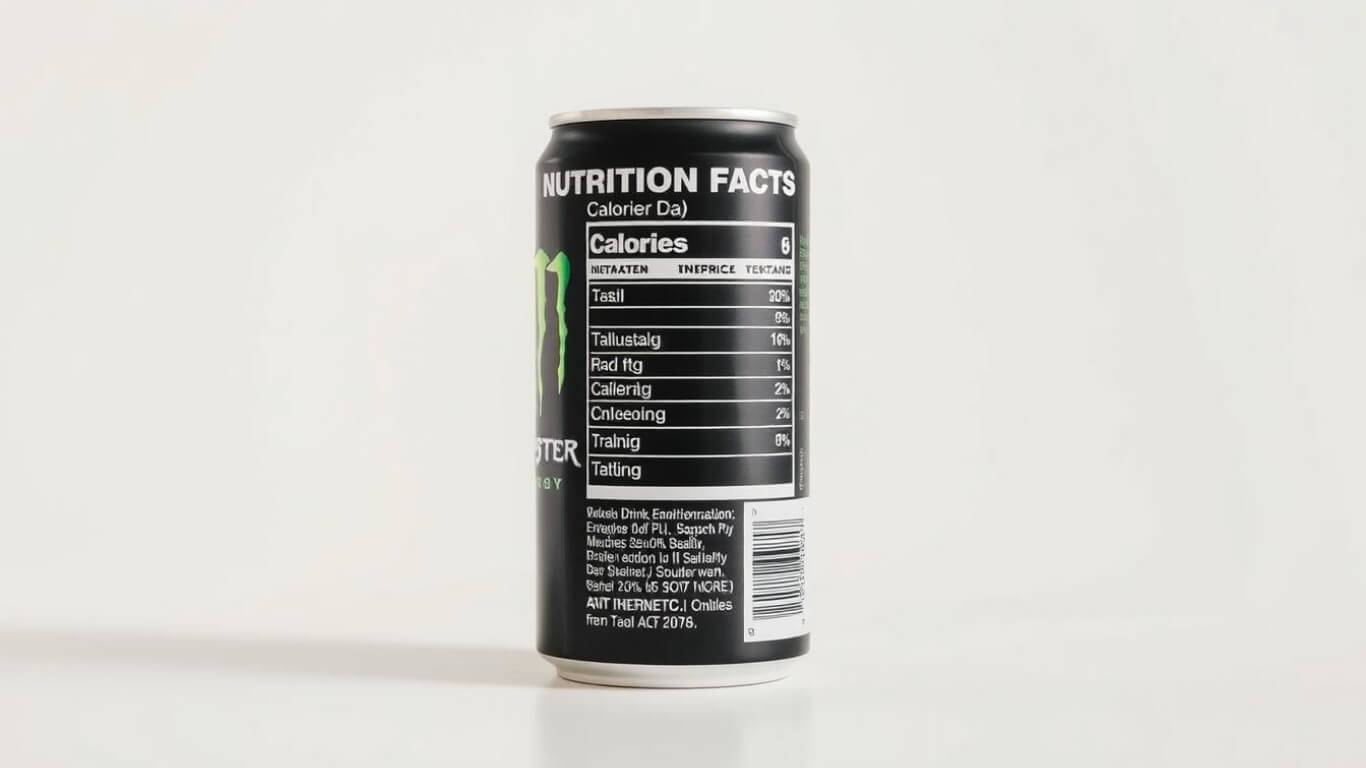
Unpack the Monster Energy Drink Nutrition Label to see how fuel, caffeine, and performance-enhancing ingredients power your day. Learn more now!
For those who rely on energy drinks to power through their day, understanding what’s in their can is crucial. Monster Energy Drink is a popular choice among consumers, but have you ever stopped to consider its nutritional content?
The nutrition label on energy drinks like Monster reveals a complex mix of ingredients designed to boost energy and enhance performance. Caffeine content is a significant concern, as it can impact both energy levels and overall health.
By examining the facts about nutrition and understanding the role of each ingredient, consumers can make informed decisions about their energy drink consumption.
Key Takeaways
- Understanding the nutrition label is crucial for informed consumption.
- Caffeine content is a key factor in energy drinks.
- Other ingredients play significant roles in energy and performance.
- Being aware of the nutritional content can help consumers make healthier choices.
- Energy drink ingredients can vary widely between brands
.
Understanding Monster Energy Drink: A Comprehensive Overview
With a diverse range of products, Monster Energy has established itself as a leader in the energy drink market. The brand’s journey is rooted in a rich history that has contributed to its widespread popularity.

The Monster Energy Brand Story
Monster Energy was first introduced in 2002 by Hansen Natural Corporation, which later rebranded as Monster Beverage Corporation. The brand quickly gained traction due to its unique flavour and high caffeine content. As CEO Rodney Sacks noted, “Our goal was to create a drink that would appeal to the young, adventurous, and bold.” The brand’s rebellious image and association with extreme sports and lifestyles resonated with its target audience.
“The energy drink market is all about attitude and lifestyle, and Monster is at the forefront of that.” – Rodney Sacks, CEO of Monster Beverage Corporation.
Types of Monster Energy Drinks Available
Monster Energy offers a wide variety of energy drinks catering to different tastes and preferences. Some of the popular variants include:
- Monster Original: The flagship energy drink is known for its bold flavor and high caffeine content.
- Monster Zero Sugar: A sugar-free version of the original, appealing to those watching their calorie intake.
- Java Monster: A coffee-flavored energy drink that combines the taste of coffee with the energy boost of Monster.
- Monster Hydro: A line of energy drinks focused on hydration with added electrolytes.
Target Audience and Popularity
Monster Energy’s target audience primarily includes young adults and athletes who lead active lifestyles. The brand’s association with extreme sports, such as motocross and skateboarding, has helped it gain popularity among thrill-seekers. Additionally, its high caffeine content and variety of flavours have made it a favourite among students and professionals looking for an energy boost.
The brand’s popularity is not limited to the United States; Monster Energy has a significant global presence, with its products available in numerous countries worldwide.
Decoding the Monster Energy Drink Nutrition Label
A closer look at the Monster Energy nutrition label provides a clearer picture of its nutritional value. The label is packed with information that can help consumers make informed decisions about their energy drink consumption.
Calories and Serving Size
One of the first things to notice on the Monster Energy nutrition label is the calorie count. A standard 16-ounce can contain approximately 210 calories. The serving size is listed as one can, but it’s essential to note that many consumers drink the entire can in one sitting, effectively doubling their calorie intake.
Calorie Breakdown: The calories in Monster Energy come primarily from carbohydrates, with a small contribution from protein.
Carbohydrates and Sugar Content
Monster Energy drinks are high in carbohydrates, with 54 grams per 16-ounce serving. The sugar content is equally significant, with 54 grams of sugar per serving. This is an important consideration for consumers monitoring their sugar intake.
- Sugar Content: 54 grams per 16-ounce serving
- Carbohydrates: 54 grams per 16-ounce serving
Vitamins and Minerals Profile
Monster Energy drinks are fortified with various vitamins and minerals, including B vitamins and vitamin C. These nutrients enhance the drink’s nutritional profile.
B-Vitamin Complex Benefits
Monster Energy’s B-vitamin complex includes niacin, vitamin B6, and vitamin B2 (riboflavin). These vitamins play crucial roles in energy metabolism and can help support energy production in the body.
Key B-Vitamin Benefits:
- Niacin: Supports energy metabolism
- Vitamin B6: Involved in many bodily processes, including energy production
- Riboflavin (B2): Essential for energy production and can help reduce fatigue
| Nutrient | Amount per Serving | % Daily Value |
| Calories | 210 | 10% |
| Carbohydrates | 54g | 18% |
| Sugar | 54g | – |
| Niacin (B3) | 40mg | 200% |
| Vitamin B6 | 4mg | 200% |
| Riboflavin (B2) | 5mg | 250% |
Caffeine Content in Monster Energy Drinks
The amount of caffeine in Monster Energy drinks is a crucial factor for consumers who rely on its energizing effects. Understanding the caffeine content helps consumers make informed decisions about their energy drink consumption.
How Much Caffeine is in a Can?
A standard 16-ounce can of Monster Energy contains 160mg of caffeine. This is one key piece of information for consumers who are monitoring their caffeine intake. To put this into perspective, the caffeine content is comparable to a cup of coffee, making it a significant amount for a single serving.
Comparing Monster’s Caffeine to Other Beverages
When comparing Monster Energy’s caffeine content to other popular energy drinks and beverages, it becomes clear that Monster Energy is on the higher end of the spectrum. For instance, a can of Red Bull contains 80mg of caffeine per 8.4-ounce serving, while a cup of coffee can range from 60mg to over 200mg, depending on the brewing method and brand.
| Beverage | Serving Size | Caffeine Content (mg) |
| Monster Energy | 16 oz | 160 |
| Red Bull | 8.4 oz | 80 |
| Coffee (brewed) | 8.4 oz | 60-200 |
Recommended Daily Caffeine Limits
The FDA recommends that adults consume no more than 400mg of caffeine per day. Consuming a single can of Monster Energy accounts for 40% of this recommended daily limit. Consumers need to be aware of their overall caffeine intake from all sources, including energy drinks, coffee, tea, and certain medications.
FDA Guidelines and Safety Considerations
The FDA guidelines on caffeine intake are designed to help consumers avoid caffeine-related side effects such as jitteriness, anxiety, insomnia, and increased heart rate. Being mindful of these guidelines can help consumers enjoy Monster Energy and other caffeinated beverages responsibly.
Key Ingredients in Monster Energy Drink
Monster Energy Drink is formulated using a complex blend of ingredients designed to boost energy and enhance performance. Examining its key components is essential to understanding the drink’s effectiveness.
Energy Blend Components
Monster Energy Drink contains a proprietary energy blend that includes a mix of B vitamins, caffeine, and other stimulating ingredients. This blend is designed to provide a sustained energy boost.
The energy blend is a crucial component, contributing to the drink’s popularity among consumers seeking a mental and physical energy boost.
Taurine, Guarana, and Other Stimulants
Taurine and guarana are two significant stimulants in Monster Energy Drink. Taurine is an amino acid found in various energy drinks and is believed to have antioxidant properties. Guarana, on the other hand, is a plant-based stimulant that naturally contains caffeine.
These stimulants work together to enhance the drink’s energizing effects. The combination of taurine, guarana, and caffeine provides a powerful energy boost
Artificial Sweeteners and Additives
Monster Energy Drink contains artificial sweeteners like sucralose and acesulfame potassium to provide sweetness without adding calories. Other additives include natural flavours and colourings.
These additives contribute to the drink’s taste and appearance, making it more appealing to consumers.
Understanding Ingredient Interactions
The ingredients in Monster Energy Drink interact in complex ways. For instance, the combination of caffeine and guarana amplifies the stimulant effects, while taurine may help mitigate potential adverse impacts on the heart.
Understanding these interactions is crucial for consumers who want to make informed decisions about their energy drink consumption.

Performance Benefits of Monster Energy Drinks
For those looking to push their limits, Monster Energy drink offers a range of benefits that can elevate workout sessions. Whether you’re an athlete or a fitness enthusiast, understanding how Monster Energy can enhance your performance is crucial.
Physical Performance Enhancement
Monster Energy drinks are formulated to improve physical performance. The unique blend of ingredients helps increase endurance, allowing individuals to train harder and longer. This is particularly beneficial for athletes involved in high-intensity sports.
Cognitive Function and Mental Alertness
In addition to physical benefits, Monster Energy drinks also enhance cognitive function and mental alertness. Ingredients like taurine and guarana work synergistically to improve focus and concentration, making it easier to stay motivated during prolonged activities.
The mental clarity provided by Monster Energy can be a game-changer during critical moments in competitions or challenging workouts.
Pre-Workout Applications
Many individuals use Monster Energy as a pre-workout supplement due to its energizing properties. Consuming it before a workout can provide the necessary boost to get through intense training sessions.
Timing Consumption for Optimal Results
Timing is everything when it comes to consuming Monster Energy for performance benefits. Drinking it 15-30 minutes before a workout is recommended to allow the ingredients to take effect. Here’s a breakdown of how different timing can affect
| Timing | Effect on Performance |
| 15-30 minutes before workout | Optimal energy and endurance |
| Immediately before workout | Quick energy boost, but it may wear off during longer sessions |
| During workouts | Maintains energy levels but may cause jitters |
By understanding the performance benefits and optimal consumption timing, individuals can maximize their use of Monster Energy drinks to enhance both physical and cognitive performance.
Potential Health Concerns and Side Effects
Consuming Monster Energy drinks has been associated with several health concerns. While they provide a much-needed energy boost for many, it’s crucial to understand the potential risks involved.
Short-term Side Effects
Consuming Monster Energy drinks can lead to short-term side effects such as jitteriness, anxiety, and an increased heart rate. These effects are mainly due to the high caffeine content and other stimulants present in the drink. It’s essential to be aware of these potential side effects, especially for individuals sensitive to caffeine.
Long-term Health Considerations
Regular consumption of Monster Energy drinks has been linked to long-term health issues, including obesity, type 2 diabetes, and heart disease. The high sugar content in many energy drinks contributes to these risks. Monitoring sugar intake is crucial for overall health.
Who Should Avoid Monster Energy Drinks
Monster Energy drinks should be avoided by specific individuals, including children, pregnant women, and people with particular health conditions like heart disease or high blood pressure. It’s also advisable for people sensitive to caffeine or other stimulants to limit or avoid these drinks.
Interactions with Medications and Health Conditions
Monster Energy drinks can interact with certain medications and exacerbate underlying health conditions. For instance, the caffeine in these drinks can interact with certain antidepressants and blood thinners.
It’s crucial for individuals with health conditions or those taking medications to consult their healthcare provider.
| Health Condition | Potential Interaction | Precautionary Measure |
| Heart Disease | Increased heart rate and blood pressure | Consult a doctor before consumption |
| Diabetes | High sugar content | Monitor sugar intake closely |
| Anxiety | Caffeine can exacerbate anxiety | Avoid or limit energy drinks |
Monster Energy Drink Varieties and Their Nutritional Differences
Understanding the nutritional differences between Monster Energy varieties is crucial for making informed choices. With a range of products available, consumers can select the one that best fits their dietary needs and preferences.
Monster Original vs. Zero Sugar Options
Monster Energy offers both original and zero-sugar options, catering to different consumer preferences regarding sugar intake. The original version contains 54 grams of sugar per 16-ounce can, while the zero-sugar version uses artificial sweeteners to maintain the taste without the sugar.
“The zero-sugar option is a game-changer for those watching their sugar intake,” says a nutrition expert. This makes it an attractive option for people with diabetes and those on low-carb diets.
Juice Monsters and Coffee Monsters
Monster Energy has also introduced Juice Monsters, which combine energy with juice flavours, and Coffee Monsters, which blend energy with coffee. Juice Monsters have a slightly different nutritional profile compared to the original, with some containing more carbohydrates. Coffee Monsters, on the other hand, offers a unique blend of energy and caffeine from coffee.
- Juice Monsters: More carbohydrate-rich, with some flavours, have added vitamins.
- Coffee Monsters: Contains coffee-derived caffeine in addition to the energy blend.
Ultra Series Nutritional Profile
The Ultra Series by Monster Energy is designed to be lower in calories and sugar while still providing an energy boost. These drinks are sweetened with artificial sweeteners and have a distinct nutritional profile that appeals to health-conscious consumers.
“The Ultra Series represents a significant shift towards healthier energy drink options without compromising on taste or performance,” notes an industry analyst.
Finding the Right Monster for Your Dietary Needs
Consider your dietary requirements and preferences when choosing the right Monster Energy drink. If you’re watching your sugar intake, Zero Sugar or Ultra Series might be the best choice. Juice Monsters could be an option for those seeking a more natural energy boost.
Monster Energy Variety Calories Sugar Content Caffeine
Original 210 54g 160mg
Zero Sugar 15 0g 160mg
Ultra Series 105 2g 160mg
| Monster Energy Variety | Calories | Sugar Content | Caffeine |
| Original | 210 | 54g | 60mg |
| Zero Sugar | 15 | 0g | 160mg |
| Ultra Series | 105 | 2g | 160mg |
By examining the nutritional differences and understanding individual needs, consumers can make informed decisions about which Monster Energy drink is right for them.

How to Incorporate Monster Energy Responsibly
To get the most out of Monster Energy, it’s essential to understand how to consume it responsibly. This involves being mindful of when you drink it, maintaining a balance with hydration, and considering alternatives based on your situation.
Best Times to Consume Energy Drinks
Consuming Monster Energy at the right time can enhance its effectiveness. It’s recommended to drink it during periods of low energy, such as in the morning or right before a workout. Avoid consuming it too close to bedtime, as it can disrupt sleep patterns.
Hydration Balance and Energy Drinks
While energy drinks can provide a necessary boost, they should not replace water intake. It’s crucial to maintain a hydration balance by drinking plenty of water throughout the day. A general guideline is to drink at least 8-10 glasses of water per day.
Drink Type Caffeine Content Sugar Content
Monster Energy Original 160 mg 54 grams
Monster Energy Zero Sugar 160 mg 0 grams
Red Bull Energy Drink 80 mg 27 grams
| Drink Type | Caffeine Content | Sugar Content |
| Monster Energy Original | 160 mg | 54 grams |
| Monster Energy Zero Sugar | 160 mg | 0 grams |
| Red Bull Energy Drink | 80 mg | 27 grams |
Alternatives for Different Situations
Depending on your needs, there are various alternatives to Monster Energy. For a natural energy boost, consider green tea or coffee. For a quick sugar boost, fruits like bananas or berries can be a healthier option.
Creating Healthy Energy-Boosting Habits
Developing healthy habits can reduce reliance on energy drinks. Regular exercise, a balanced diet, and adequate sleep are foundational. Additionally, practising stress-reducing techniques like meditation can help maintain energy levels naturally.
Conclusion: Making Informed Choices About Monster Energy Drinks
As we’ve explored the various aspects of Monster Energy drinks, from their nutritional content to potential health concerns, it’s clear that being informed is key to healthy consumption. Understanding the caffeine content, ingredients, and dietary differences across varieties can help you make choices that align with your lifestyle and health goals.
Making informed choices about energy drinks like Monster Energy involves being mindful of your overall diet and health. If you’re considering Monster Energy as part of your daily routine, weigh the benefits against potential risks, especially if you have pre-existing health conditions or concerns.
Healthy consumption of Monster Energy drinks means being aware of your caffeine intake from all sources and balancing energy drinks with a nutritious diet and adequate hydration. By being informed and responsible, you can harness the energy-boosting benefits of Monster Energy while minimizing potential downsides.
FAQ
What are the main ingredients in Monster Energy Drink?
The main ingredients include a blend of energy-boosting components, taurine, guarana, B vitamins, and other stimulants, along with artificial sweeteners and additives.
How much caffeine is in a can of Monster Energy?
A standard 16-ounce can of Monster Energy contains 160mg of caffeine.
Are Monster Energy Drinks suitable for everyone?
No, specific individuals should avoid Monster Energy Drinks, including children, pregnant or breastfeeding women, and people sensitive to caffeine or with particular health conditions
What is the difference between Monster Original and Zero Sugar?
Monster Original contains sugar, while Zero Sugar is sugar-free and uses artificial sweeteners instead.
Can I consume Monster Energy Drinks as a pre-workout supplement?
Yes, many people use Monster Energy as a pre-workout supplement due to its energy-boosting properties, but it’s essential to consider individual tolerance and needs.
How can I consume Monster Energy responsibly?
To consume Monster Energy responsibly, be mindful of the timing, ensure hydration balance, consider alternatives when necessary, and be aware of overall caffeine and sugar intake.
What are the potential side effects of consuming Monster Energy Drinks?
Potential side effects include jitteriness, increased heart rate, and digestive issues in the short term. At the same time, long-term consumption may lead to more serious health concerns, such as caffeine dependence and excessive sugar intake.
Are there any interactions between Monster Energy Drink ingredients and medications?
Yes, certain ingredients in Monster Energy Drinks, such as caffeine, can interact with medications or exacerbate health conditions, so it’s crucial to consult a healthcare professional if you have concerns.
What are some healthy energy-boosting habits?
Healthy energy-boosting habits include maintaining a balanced diet, staying hydrated, exercising regularly, getting enough sleep, and managing stress levels.
Can I drink Monster Energy Drinks every day?
It’s not recommended to consume Monster Energy Drinks daily due to their high caffeine and sugar content; moderation is key to avoiding potential adverse health effects.
